Melbourne-based agency Spinach’s leaders said that enshittification is creating “healthy chaos” that marketers can tap into to connect more authentically with consumers at a series of events.
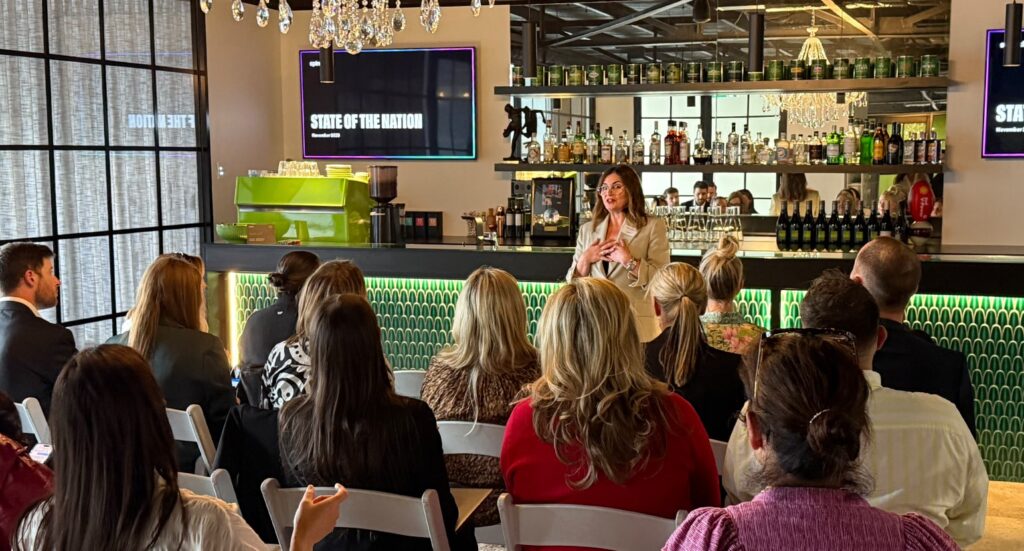
The series of events hosted by Spinach was part of its annual ‘State of the Nation,’ where Spinach clients joined the agency’s leaders to look back at the year that was and the opportunities ahead in 2026.
Coined by journalist and author Cory Doctorow, the term enshittification describes how online products and services decline in quality over time.
Spinach’s managing director Nicole Miranda, who spoke at the final event, said: “Looking at this past year, enshittification has created healthy chaos for marketers. And that chaos presents an opportunity for true integration where brands can turn data, cultural signals, media behaviour and commercial realities into insights”.
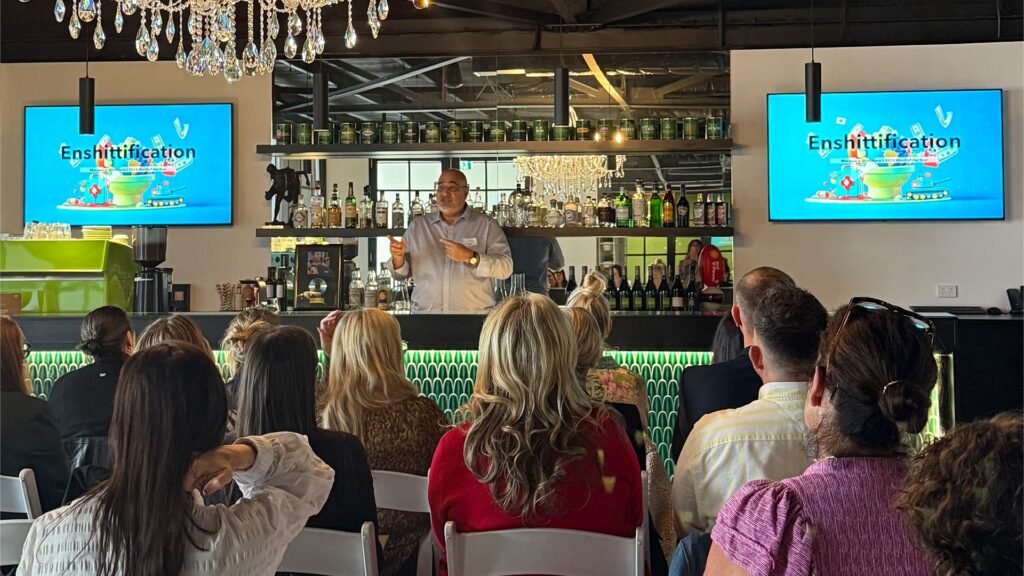
Also speaking at the event, Spinach strategy director Glenn Myatt said: “Enshittification captures what many of us feel is happening in the world, and speaks to so many aspects of our lives”.
“From a consumer perspective, take your typical trip to the supermarket. Everything’s more expensive, chances are the products you buy are going to come in smaller packs, and when you’re done, there won’t be an assisted check-out open. And then, there are service experiences. If you have interacted with insurance companies, banks or airlines over the last couple of years, you’ll notice that prices have gone up, but levels of service have gone down,” he said.
Myatt presented a series of insights that back the current consumer sentiment, from the increase in doom scrolling, with under-25s spending more than two hours a day soaking in negative sentiment from social media feeds, to the lack of consumer trust, with research finding Australians trust just 10 out of 17 key industries.
Spinach executive director of media and data Ben Willee shone the enshittification spotlight on the current advertising landscape.
“Since June this year, the advertising market has seen four months of negative growth. If October and November advertising revenue is also down, we will be in a technical advertising recession, i.e. two quarters of negative growth. Now, that’s not all bad. That presents opportunities,” Willee said.
Willee encouraged brands to take advantage of the downturn and seek additional benefits when negotiating media deals.
Similarly, Myatt and Miranda urged advertisers to lean into the moment and find opportunities to cultivate belonging, simplify the complex and embrace playfulness.
“Rather than getting beaten up by what’s going on, brands have the opportunity to help lighten the load. For instance, in a world where we’re feeling disconnected, think about how your brand can help people to connect,” Myatt added.