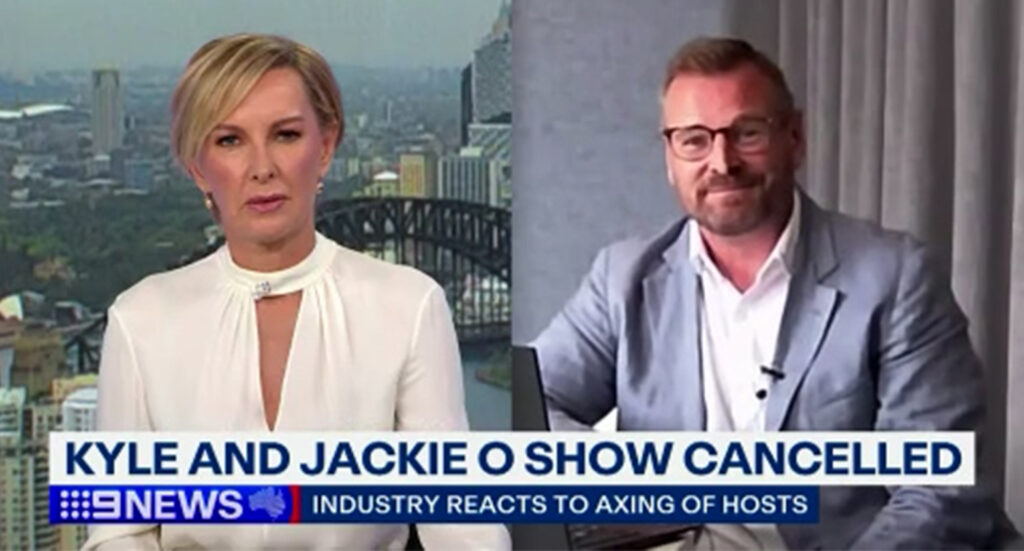

Ben Willee, Executive Director of Media and Data at Spinach Advertising, talks to Evan Lucus on 2GB Radio’s Money News about Nine Entertainment’s potential investment and acquisition plans.
Listen to Ben speak here:
Check out the podcast here:
Ben Willee, Executive Director of Media & Data for Spinach Advertising
Or read the transcript:
Evan Lucas (Host)Welcome back to Money News and getting towards the end of earnings season, we’ve had an eye on the state of the media industry. News Corp reported a drop in revenue from its newspaper mastheads, including the Australian, The Daily Tele and the Herald Sun. Seven West media reported a 62% drop in full year net profit on weaker TV earnings. Nine Entertainment, the owners of this station you’re currently listening to is another that has been in the slump lately. But after making a move to sell off one of the largest arms in the real estate area in domain, the company now has a very large war chest sitting in its vault. So what will that mean for the media movements to come? Well, to get his take, I’m joined, as we always are, on the media section by Ben Willee, Chief Executive Director of Media and Data for Spinach Advertising. Ben welcome back.
Ben WilleeG’day Evan, great to be back. Thank you for having me.
Evan Lucas (Host)Always love having you on, my friend. So, company reporting season hasn’t been the greatest period for those in media and advertising industries. Are we still trapped in a cycle of lower advertising revenue and companies that are scrambling to cut costs?
Ben WilleeLook it’s true. And that’s certainly one of the key variables. But what’s also changing here is the way people consume content. So, for example, some might be listening to this broadcast on a radio, some might be listening to digital audio in their car, and some might be podcasting this segment, and that’s sort of a seismic shift for the industry. And the business models haven’t yet caught up. So yes, the ad market is down a bit, but the way we consume is changing. And there’s one other part to it, and the pendulum might be swinging a bit too far to what we call bottom of the funnel. And that’s things like Google search ads. And sure, that can be measured, but they don’t necessarily build and grow brands. And there is a suggestion that marketers are focusing too much on what they can measure, not what is truly effective.
Evan Lucas (Host)So the other thing then to have a look at is Nine has got this windfall from the sale of Domain. What do you expect them to do with it?
Ben WilleeOh geez, you’re not going easy on me tonight.
Evan Lucas (Host)No, not I come on, big broad ideas, my friend. That’s what you’re here for.
Ben WilleeWell, look, I’ll start with the easy bit. We know they’re going to return some of the money back to shareholders. We also know they’re going to invest in AI and technology. But will they expand their empire? It’s probably a big question. And media companies are their own biggest client. So being able to advertise the Nine news on this radio station can make a big difference to the TV ratings. So they definitely running the ruler over some outdoor companies and possibly even some other radio companies. And the most likely candidate has been Southern Cross Austereo, which owns Triple M and the Hit Network. Now there would be some regulatory hurdles they’d have to get over it. But I think it’s good news because the bigger and more powerful the group gets, the better they are equipped to deal with the global digital behemoths.
Evan Lucas (Host)So the other part of the question with Nine is that it seems to be getting a bit of luck with its sports acquisitions. Firstly, the Olympics seem to have driven more success to the business. Was this a savvy move for those with the rights?
Ben WilleeLook, it definitely is a savvy move, but it’s had a little bit of a double edged sword, because it costs a hell of a lot of money. But the other side of it is it brings in huge ratings. So the Nine Group of companies is uniquely positioned because it can amortise those costs over different mediums, you know, newspapers, online, TV, radio and also Stan the streaming service. So perhaps the biggest benefit comes back to my previous point about being their own biggest client. You know what better place to advertise a dating show than during a medal winning, medal winning swimming race? So yeah, a lot of benefits to Nine there and a great call to go for those rights.
Evan Lucas (Host)So just spoke about Stan. We’ve just seen that Stan subscriptions are up off the back of the acquisition of the English Premier League rights, while more than a million people have tuned into the game last week in an otherwise pretty dead spot for TV. Is this another step in the right direction that now, as you said, it’s about the subscription services, streaming services, getting the right sports acquisitions?
Ben WilleeYeah, I mean, this is fascinating. It turns out that Australians don’t necessarily want another dating show. They want to see world class athletes playing a great game and not having to pay to watch it. Now, isn’t that shocking? That’s about as shocking as discovering that beer sells well in a pub. So yeah this is great news for Nine. And you know last week’s game you know delivered over a million people in reach was the second most viewed non non-news programme on the night. And you know it came in airing at 9:30pm after Parramatta Eels and Sydney Roosters match. So the other part of it is, is it was the top writing program of the night for viewers aged between 25 and 54 years old. And that’s the big demographic that advertisers care about. So bringing in an audience and highly engaged audience and an audience that’s hard to reach in other places against 25-54 year olds on a Saturday night, is just a great result for the network.
Evan Lucas (Host)Sport also goes hand in hand with advertising, but it seems new research says that with think we’re not really influenced by junk food advertising, then are you not doing your job well enough?
Ben WilleeI love it when people say they’re not influenced by advertising, but I like this debate and there’s two really interesting sides to it. You know, on one side you’ve got the advertising association called the AANA and they’re undertaking research. And this research concludes that most Australians don’t think they’re influenced heavily by junk food advertising. And, you know, the conclusion is that parents see themselves not advertising as the most important factor in their children’s eating habits. So perhaps the toffee apple doesn’t fall to far from the tree. And then the other side of the debate is Wollongong University Professor Bridget Kelly said the report was, quote, not a scientific study. And she questioned its credibility, saying that there was a wealth of peer reviewed research that shows parents actually do want regulation of junk food advertising. So one thing I do know is parents just want a good night’s sleep. But look, there’s a lot of evidence to show that childhood obesity is complex, and you don’t need a PhD in nutrition to know that a bucket of coke and a suitcase of fries is not part of the Mediterranean diet. So we already have regulation in this space free TV commercial code of practice, and there’s other self-regulation. I mean, what’s next Evan, are they going to ban beer ads in the footy? And I can tell you what all this debate has got me. I’ve worked out the hard earned thirst that’s for sure.
Evan Lucas (Host)I’m sure we’ll be able to crack one later. I know full well that you know, you’re right. Thery don’t ban, you know, revenue ads around gambling. So why would they do junk food ads? Just finally, we’re not far off the start of the Albanese government social media ban. But most crafty of us tend to find a way around it. Similar laws in the UK have seen a spike in VPN users. Just explain what that is and are we in for something similar here?
Ben WilleeYeah, well I’ll start by explaining what that is is in the UK, they’ve recently, introduced what they call age gating. So users accessing adult content, have to now use certain methods to prove that they’re over 18. And what’s happened is, is that’s caused a massive spike. I think it was 800% was the number in users who have what’s called a virtual private network. So they’re just basically telling the server that they’re consuming this content from Albania or North Africa or somewhere else, not the UK. So they don’t need to worry. And look, on paper, it’s a marvellous idea to stop kids watching things they shouldn’t, but in practice it’s a bit like trying to fit a chastity belt on a Ferrari, you know? And we’ve got more than 50 tech firms in Australia who’ve pitched, different ways to verify users age for the Albanese’s ban on under 16 year olds using social media. And then on the other side, we’ve got teenagers, the most technically gifted and perhaps morally flexible creatures on the planet, followed by, the challenge of the Oval Office in the US. And just this week, President Trump, while he didn’t single out Australia, he did say that he will stand up to countries that, quote, attack American tech companies. So I just wonder when Prime Minister Albanese will be getting the call from President Trump.
Evan Lucas (Host)We will wait and see very much on that call. Ben Willee, as always, thank you for joining us to talk about the media.
Ben WilleeThank you very much for having me.